
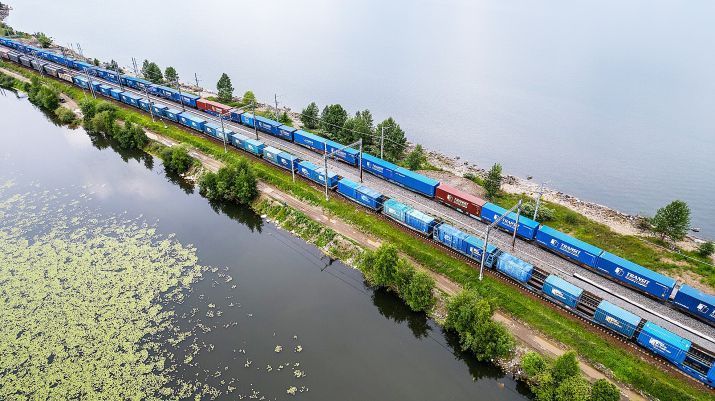
In the first five months of 2026, the railways carried 3,249,800 loaded and empty containers across all traffic types—export, import, domestic, and transit. Loaded containers accounted for 2,349,700 TEU (+4% versus the same period in 2025), including 727,500 TEU in imports (+17.7%) and 701,400 TEU in exports (−1.8%).
In May alone, the network handled 692,200 TEU, up 9.9% from the same month a year earlier.
According to Igor Smirnov, director of freight transport and logistics at the Center for Infrastructure Economics, the modest overall growth rate conceals a pronounced acceleration in May. This local spike reflects a low-base effect from the same period last year, along with a seasonal factor.
“May’s figures were also shaped by a temporary improvement in railcar turnaround on key routes and the completion of several major infrastructure repairs, which let operators ship accumulated volumes all at once, adjusting the overall five-month trend,” Smirnov said.
The mix of fast-growing commodities moving in containers reflects structural shifts and a forced change in logistics models, experts say. The strong momentum in auto components (+27.8% year over year for January–May) and consumer goods (+27.8%) stems from the reconfiguration of supply chains and the replacement of departed brands with alternative makes that require regular deliveries of vehicle assembly kits. Growth in chemicals and soda ash (+6%) and metal hardware (+16.1%) is supported by the targeted fulfillment of large infrastructure and defense orders. The rise in grain (+33.8%) and petroleum products (+14.4%) is driven by shippers being forced to move away from traditional gondola and tank cars to TEU containers in order to get around the railways’ tight infrastructure limits on eastbound shipments.
Smirnov forecasts that, by segment, domestic traffic and imports will provide the bulk of volume and stability in the near term, though their growth will stay modest given the limited capacity of the domestic market. “The domestic segment is operating amid tight budget discipline and subdued consumer activity, so growth here will be largely compensatory—just enough to sustain critically important industries,” he adds.
By the end of June, the sharp May upswing will most likely correct back toward average annual levels. Overall growth for the first half is expected in the 2.5–3% range. Among the barriers that will keep container traffic from getting onto a path of steady, rapid growth, Smirnov pointed to the usual summer slowdown in business activity across several sectors and the logistics constraints that remain in place.
Sergei Volkov
- April 2026
- October 2026
- September 2026
- August 2026
- July 2026
- June 2026
- May 2026
- February 2026
- January 2026
- December 2025
- November 2025
- October 2025
- September 2025
- August 2025
- July 2025
- June 2025
- aprel-2025
- March 2025
- February 2025
- January 2025
- December 2024
- November 2024
- September 2024
- August 2024
- July 2024
- June 2024
- May 2024
- April 2024
- March 2024
- February 2024
- January 2024
- December 2023
- November 2023
- October 2023
- September 2023
- August 2023
- July 2023
- June 2023
- May 2023
- April 2023
- March 2023
- February 2023
- January 2023
- December 2022
- November 2022
- October 2022
- September 2022
- August 2022
- July 2022
- June 2022
- May 2022
- April 2022
- March 2022
- February 2022
- January 2022
- December 2021
 Read next content